Online Training
Course MF0211-3 Lighting Processes Applied to Live Shows

200 hours


Spanish
Educational institutions

$648.206
Request information


Online Training
200 hours
Spanish
Educational institutions
Request information
Multilingual support
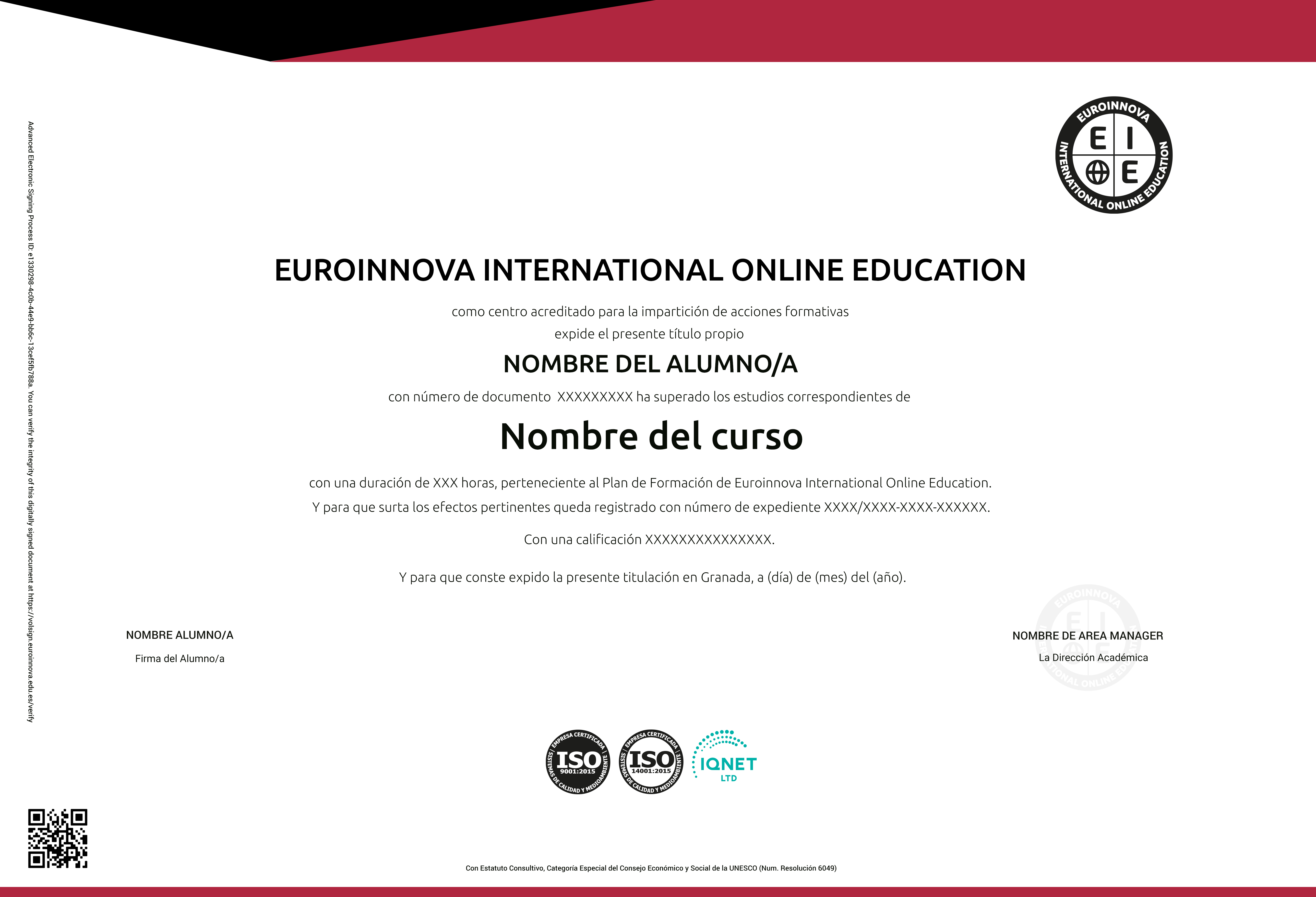
Digital certificate included
Assistant Phia
- Evaluate the different types of light sources and apply the criteria for their selection and correct and safe use. - Apply the specific graphic representation techniques of spectacular lighting engineering: symbols, conventions in drawing lighting and electrical plans. - Operate the projectors correctly and safely based on the analysis of the composition and operation of the different models and apply selection criteria according to the artistic and technical needs of the project. - Operate correctly and safely the different electrical and mechanical installations intended for lighting engineering, both in fixed premises and in the installations carried out in ephemeral spaces, applying knowledge about the criteria with which they are designed, the functions they perform and the problems they pose in the environment of applications intended for the live entertainment industry. - Operate the different regulation equipment used in the show: power regulation modules, control tables and communication systems between the two, based on the analysis of the different architectures and uses. - Operate the communication and monitoring systems of a show applying the codes and uses of the show. - Carry out, in a practical application case, the tasks of lighting engineering in the show applying a specific work methodology based on a global conception of the work process that is inherent to a live show and the concepts and procedures necessary to plan, organize and manage the lighting implementation process taking care of good professional practices. - Apply the necessary procedures for corrective and preventive maintenance of lighting equipment and facilities and inventory and stock control. - Effectively use communication techniques in your work environment to receive and issue instructions and information, exchange ideas or opinions, assign tasks, coordinate projects. - Face conflicts that arise in the work environment, through negotiation and achieving the participation of all group members in detecting the origin of the problem, avoiding value judgments and resolving the conflict, focusing on those aspects that can be modified. - Make decisions, considering the circumstances that force you to make that decision and taking into account the opinions of others regarding possible solutions. - Analyze the prevention and security measures regarding the actions of handling facilities and equipment, contained in the security plans of companies in the sector. - Apply the safety plan by analyzing the company's prevention, safety and environmental protection measures. - Apply the habits and techniques that make it possible to address, without risk to health, the physical and mental efforts that derive from the work of the technical professions of the show, identifying the risks when they arise and applying the appropriate preventive measures. - Apply the procedures and consultation methods related to current legislation applicable to public safety issues in a live show and the action protocols in case of incidents with or without an audience.
He develops his professional activity in large, medium and small companies dedicated to spectacular lighting in all kinds of shows and live events, with the presence of a live audience. Work in entertainment venues as a permanent technician or as a freelancer, in touring companies or in service companies.
This training conforms to the training itinerary of the Training Module MF0211_3 Lighting Processes Applied to Live Entertainment, certifying having passed the different Units of Competence included in it, and is aimed at the accreditation of the Professional Competencies acquired through work experience and non-formal training, through which you will opt to obtain the corresponding Certificate of Professionalism, through the respective calls published by the different Autonomous Communities, as well as the Ministry of Labor itself (Royal Decree 659/2023, of July 18, which develops the organization of the Vocational Training System and establishes a permanent procedure for the accreditation of professional skills acquired through work experience or non-formal training).