Online Training
Master in Audiovisual Translation + 60 ECTS Credits

1500 hours

60 ECTS

Spanish
Educational institutions


₡ 1.294.300
Request information


Online Training
1500 hours
60 ECTS
Spanish
Educational institutions
Request information
Multilingual support
Digital certificate included
Assistant Phia
Through this university master's degree, students and professionals in the area are offered a complete and quality study program, thanks to which they will be able to acquire the skills and knowledge that companies in the sector demand in their job offers, allowing them to develop the following skills: - Simultaneously interpret, in Spanish Sign Language (SSL), the messages issued in the oral language and vice versa. - Use Spanish Sign Language for various purposes and valuing its importance as a source of information, enjoyment and leisure as a means of access to a community, to a way of life different from one's own, referring to both the deaf and deafblind communities. - Know the different types of translation. - Know the different translation strategies. - Know the new technologies applied to translation. - Know the process and methods for subtitling aimed at deaf and hearing-impaired people. - Study the phases and adjustments of dubbing, in addition to introducing the concept of script. - Know the accessibility characteristics of visual products. - Learn the term audio description for the blind, listing the types and the professional profile that is necessary. - Learn about translation competence and expert knowledge of the English language. - Establish the phases of the problem-solving process that may arise in translation. - Explain what is a problem for the translation sector. - Establish differences between the different translation strategies. - Explain the concept of a loan and its typology. - Describe the connotations that the tracing presents in translation. - Learn to carry out a literal translation of a document or information medium. - Learn to transpose different communicative elements. - Explain what modulation is and how to apply it in a translation job. - Describe the main equivalences that can be found in translation. - Define the adaptation in the translation. - Know the translator's work environment and his station, along with the elements that make it up. - Study the different texts and hypertexts that can be used, in addition to the types of files that can be used. - Know which word processors and terminology managers are used. - Learn the origin of automatic translation and its limits when using it. - Delve into computer-assisted translation by explaining the work environment and the translation process. - Introduce localization using its tools, advantages and disadvantages.
Thanks to the knowledge and skills acquired throughout this study program, students will be able to develop their professional careers in the Translation sector, carrying out functions such as Dubber, Screenwriter, Translator, etc.
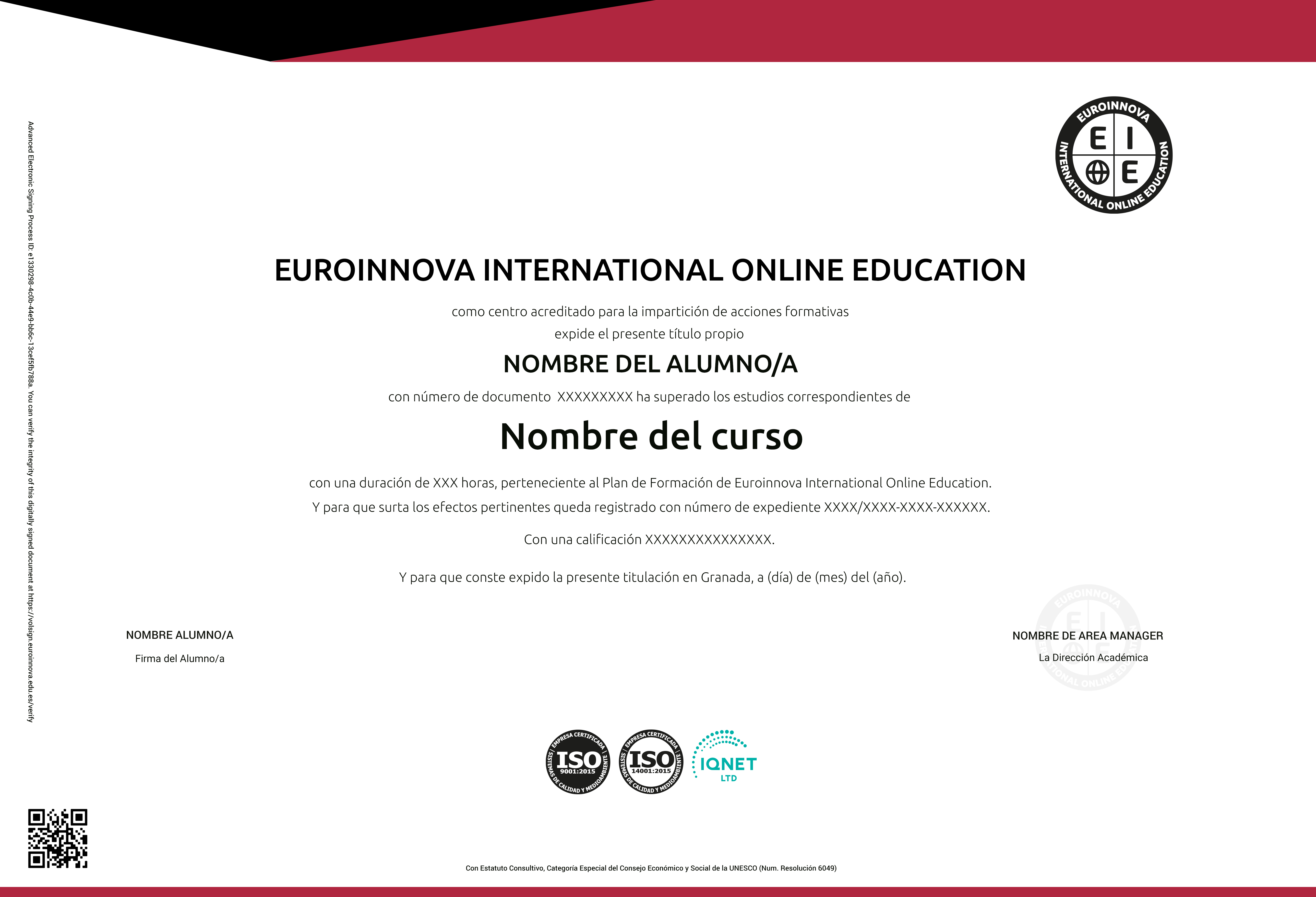
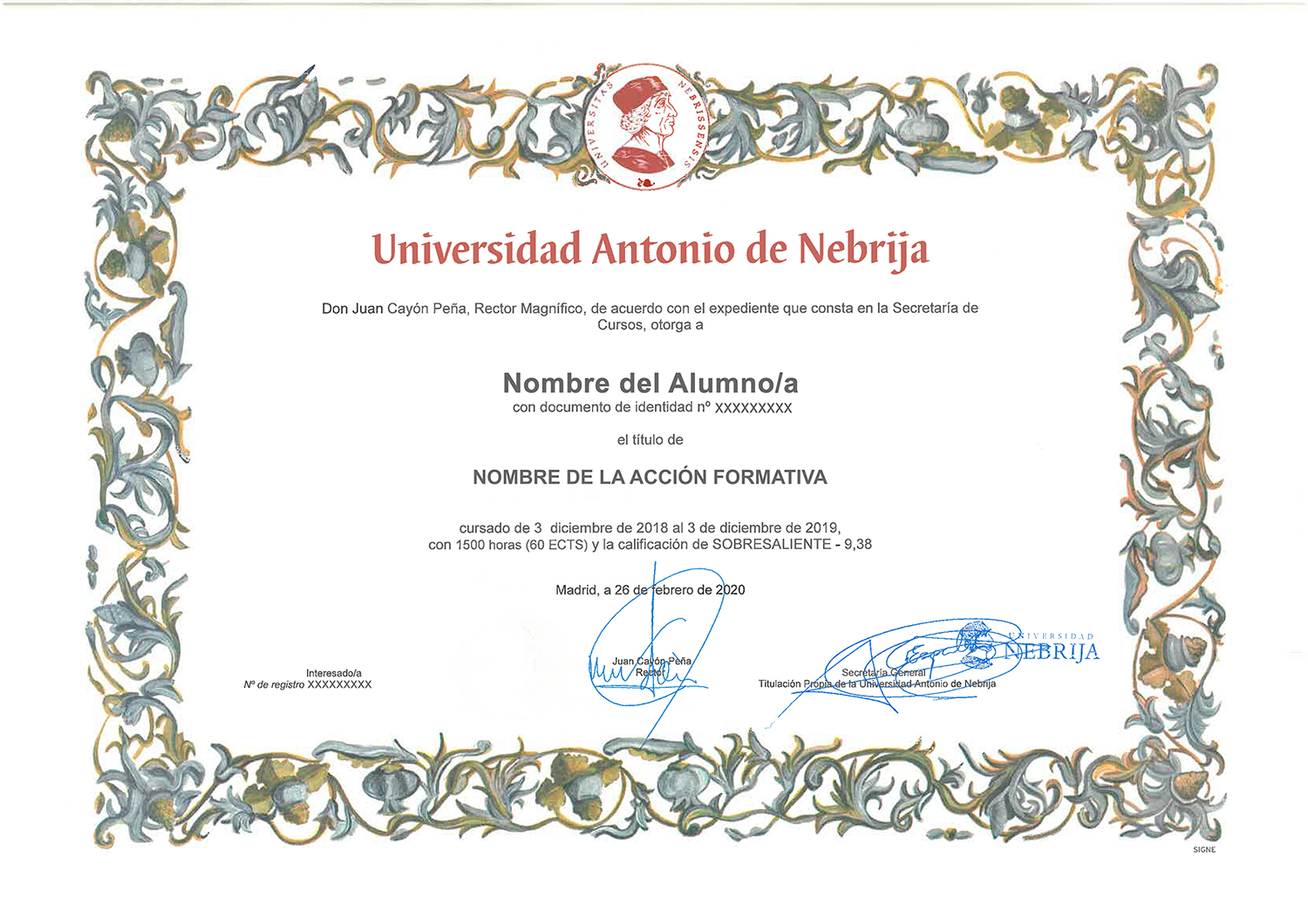
This Master in Audiovisual Translation will prepare you to stand out in the world of audiovisual translation, for which you will know all the most relevant aspects in relation to translation and the strategies to follow, as well as knowing dubbing and subtitling, the tools and technologies most used in this field, etc. This is a university master's degree that contemplates the professional skills and abilities most in demand by companies in their job offers, thanks to which you will be able to respond to the real needs of the labor market. Contact us and a training advisor will be able to inform you in detail and without obligation about this master's degree and other postgraduate degrees available with which to complete your studies in this sector, as well as about the access requirements or the characteristics of the degree that you will receive, issued directly by the university and recognized with 60 ects credits.