Online Training
MBA + Specialty - Project Management + 60 ECTS Credits

1500 hours

60 ECTS

Spanish
Educational institutions


RD$ 185,600
Request information


Online Training
1500 hours
60 ECTS
Spanish
Educational institutions
Request information
Multilingual support
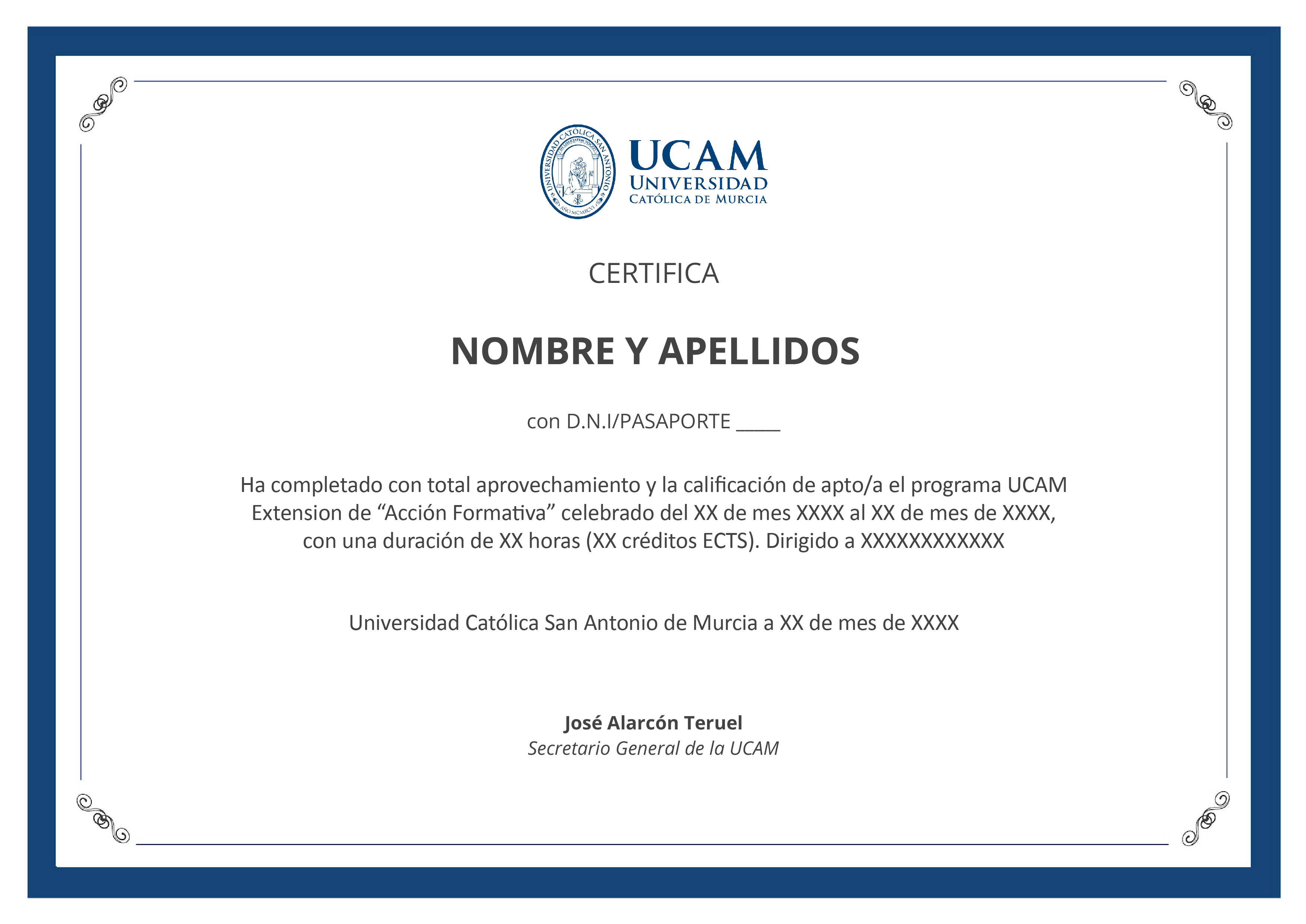
Digital certificate included
Assistant Phia
The MBA program - Master in Business Administration and Management with a Specialty in Project Management has several important objectives so that students develop the necessary skills to perform in management positions in a company. All of this based on professional excellence and qualification for carrying out exams, developing logistical and production plans, as well as integrating control systems into company information. This program aims to train the student to make decisions, solve problems and evaluate the consequences that actions have on the company. On the other hand, it aims to facilitate the use of tools for searching for information sources related to criteria markets and with a sense of commercial opportunity. In addition, it tries to familiarize the student with tasks pertaining to project management, offering the necessary techniques for project management and resources for the coordination of this area in the company. This specialized MBA program provides the student with financial knowledge that can be used in carrying out financial projects belonging to the company to facilitate strategic decision-making with a guarantee of success.
1. business director or administrator, 2. commercial area, sales or marketing director, 3. Responsible for business development, product manager, asset analyst. 4. Strategic consultant for the different areas of the company. 5. Responsible for business development, product manager, asset analyst. 6. Director of business projects.
This MBA with a specialty in Project Management prepares you to assume leadership and management roles in projects within various industries. This program combines advanced knowledge in business administration with specific skills in project management, providing comprehensive training that ranges from planning to project execution and control. skills and knowledge that the student can acquire with this program: 1. Business Management • Leadership Skills: You will develop skills to lead teams, make strategic decisions and manage resources efficiently. • Business Administration: You will learn about the various functional areas of a company, including finance, human resources, operations and marketing. 2. Project Management • Fundamentals of Project Management: Understanding the basic principles of project management, including the phases of the project life cycle: initiation, planning, execution, monitoring and closure. • Project Management Methodologies: Familiarization with methodologies and frameworks such as PMBOK (Project Management Body of Knowledge), PRINCE2, Agile and Scrum. 3. Project Planning and Control • Project Planning: Skills in defining the scope of the project, establishing clear objectives, creating detailed schedules, and allocating resources effectively. • Time Management: Techniques for time management, including creating schedules, estimating task durations, and tracking progress. • Project Control: Methods for monitoring and controlling project progress, managing changes, and ensuring that the project stays within budget and schedule. 4. Risk Management • Risk Identification and Assessment: Skills to identify, analyze and evaluate potential risks in the project. • Risk Response Planning: Development of strategies to mitigate, transfer, avoid or accept risks, and plan effective responses should they occur. 5. Budgets and Financial Management • Project Financial Management: Understanding how to develop and manage project budgets, control costs, and perform financial analysis to make informed decisions. • Earned Value (EVM): Use of earned value techniques to evaluate project performance and progress in terms of cost and time. 6. Quality and Continuous Improvement • Quality Management: Knowledge of the practices and tools to ensure that the project deliverables meet the required quality standards. • Continuous Improvement: Application of continuous improvement principles, such as Lean and Six Sigma, to optimize project processes and results. 7. Team Management and Communication • Team Leadership: Skills to lead, motivate and manage project teams, including conflict resolution and facilitation of collaborative work. • Effective Communication: Techniques for effective communication with all interested parties, including the preparation of progress reports, team meetings and presentation of results. 8. Stakeholder Management • Stakeholder Identification and Analysis: Skills to identify and analyze the project's interested parties, understanding their needs and expectations. • Stakeholder Management: Development of strategies to manage and communicate with stakeholders effectively, ensuring their commitment and satisfaction. 9. Technologies and Tools for Project Management • Software Tools: Use of specific tools and software for project management, such as Microsoft Project, Asana, Trello, Jira, among others. • Emerging Technologies: Stay up to date on emerging technologies that can impact project management, such as artificial intelligence and big data. 10. Professional Development • Network of Contacts: Opportunities to establish a network of global professional contacts, including fellow students, professors, and industry professionals. • Practical Experience: Participation in practical projects and internships in companies, acquiring real experience in project management.