Online Training
Diploma in Ethical Hacking and Cyber Intelligence

380 hours


Spanish
Educational institutions

$663
Request information


Online Training
380 hours
Spanish
Educational institutions
Request information
Multilingual support
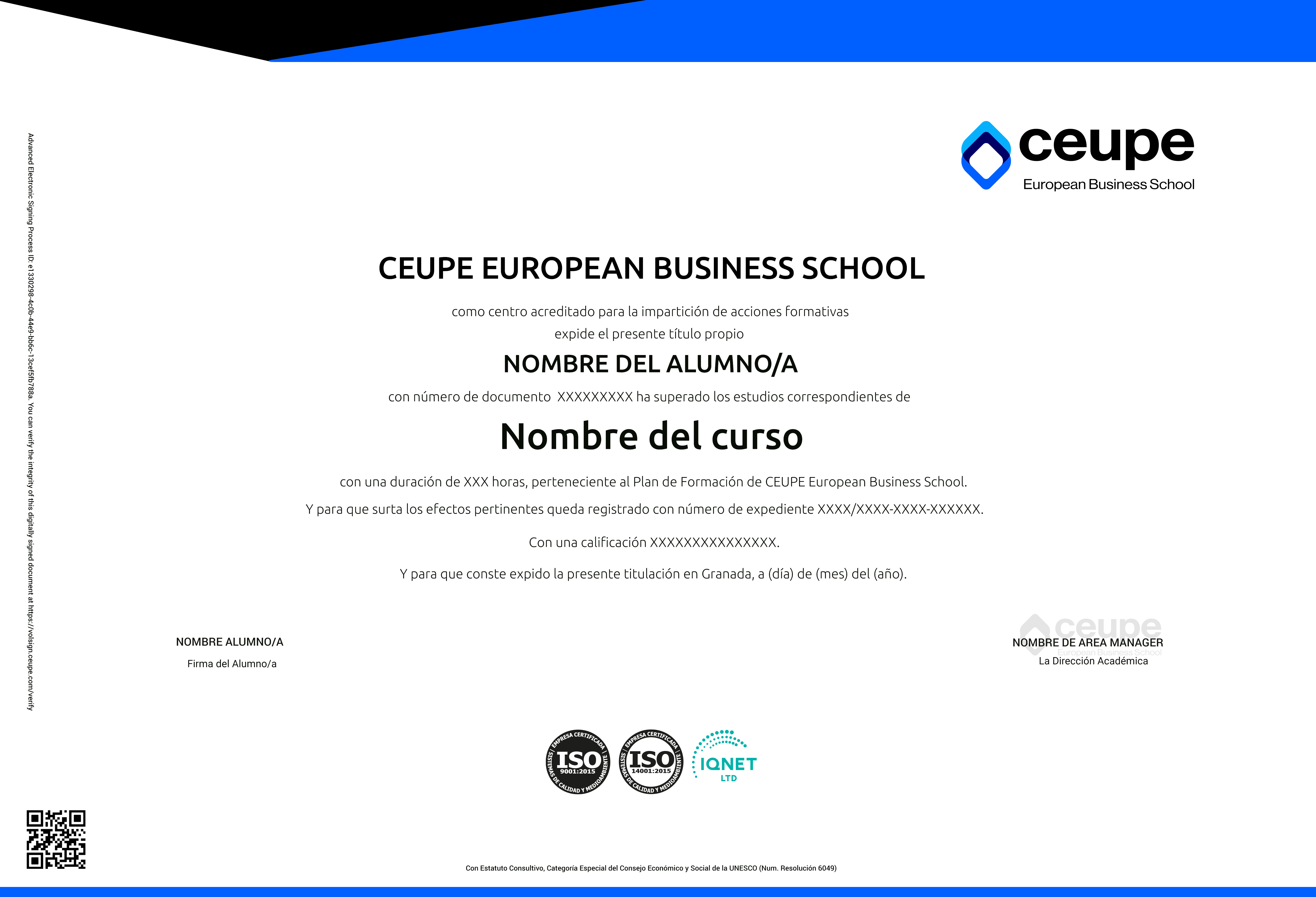
Digital certificate included
Assistant Phia
- Know the tools and public sources where you can collect information on the Internet. - Delve into the techniques and tools for scanning devices and ports. - Be able to perform fingerprinting of services and operating systems. - Learn to list and list sensitive information about services. - Learn to carry out attacks on data networks and man in the middle attacks. - Understand the different techniques to carry out session hijacking attacks. - Know the most common social engineering attacks and what tools help carry them out. - Understand the techniques and tools to perpetrate attacks on credentials. - Learn how software vulnerabilities are identified and catalogued. - Learn how the metasploit tool helps the pentester in the work of exploiting vulnerabilities. - Know post-exploitation techniques and the tasks that a pentester can perform to elevate privileges, search for persistence or eliminate traces. - Learn how to perform a security audit of web applications, identifying the most common security flaws. - Interpret the different ways to carry out denial of service attacks.
Cyber intelligence is a growing need in the digital market, there are an increasing number of cases of cyber attacks and digital fraud in broad and key sectors such as banking, customer service, healthcare, industry, etc. Companies are beginning to incorporate professionals trained in protecting the computer security of their business structures as permanent structural personnel, which is why the demand for professionals is increasing, with strong growth for the coming years. Most in-demand profiles in Cyber Intelligence and Computer Security: - Expert Chief Security Officer - CSO. - Chief Information Security Officer - CISO. - Expert in Cyber Attacks. - Architect in Intelligence and Security Systems. - Analyst in Intelligence Systems and Digital Cybersecurity.
The Diploma in Ethical Hacking and Cyberintelligence prepares the student for: Fundamentals of Cybersecurity • Principles of Computer Security: Understanding the bases of cybersecurity and cyber threats. • Ethical Hacking: Ethical hacking techniques and methodologies to identify and correct vulnerabilities. Cyber Intelligence • Data Collection and Analysis: Methods for collecting and analyzing information relevant to security. • Threat Intelligence: Identification and monitoring of cyber threats. Tools and Techniques • Use of Specialized Tools: Handle ethical hacking and cyber intelligence software and tools. • Simulations and Practices: Perform penetration tests and simulations of cyber attacks. Regulations and Compliance • Cybersecurity Regulations: Know and apply security regulations and standards. Professional Development • Network of Contacts: Establish connections in the field of cybersecurity. • Practical Experience: Participate in real projects and practices.