Online Training
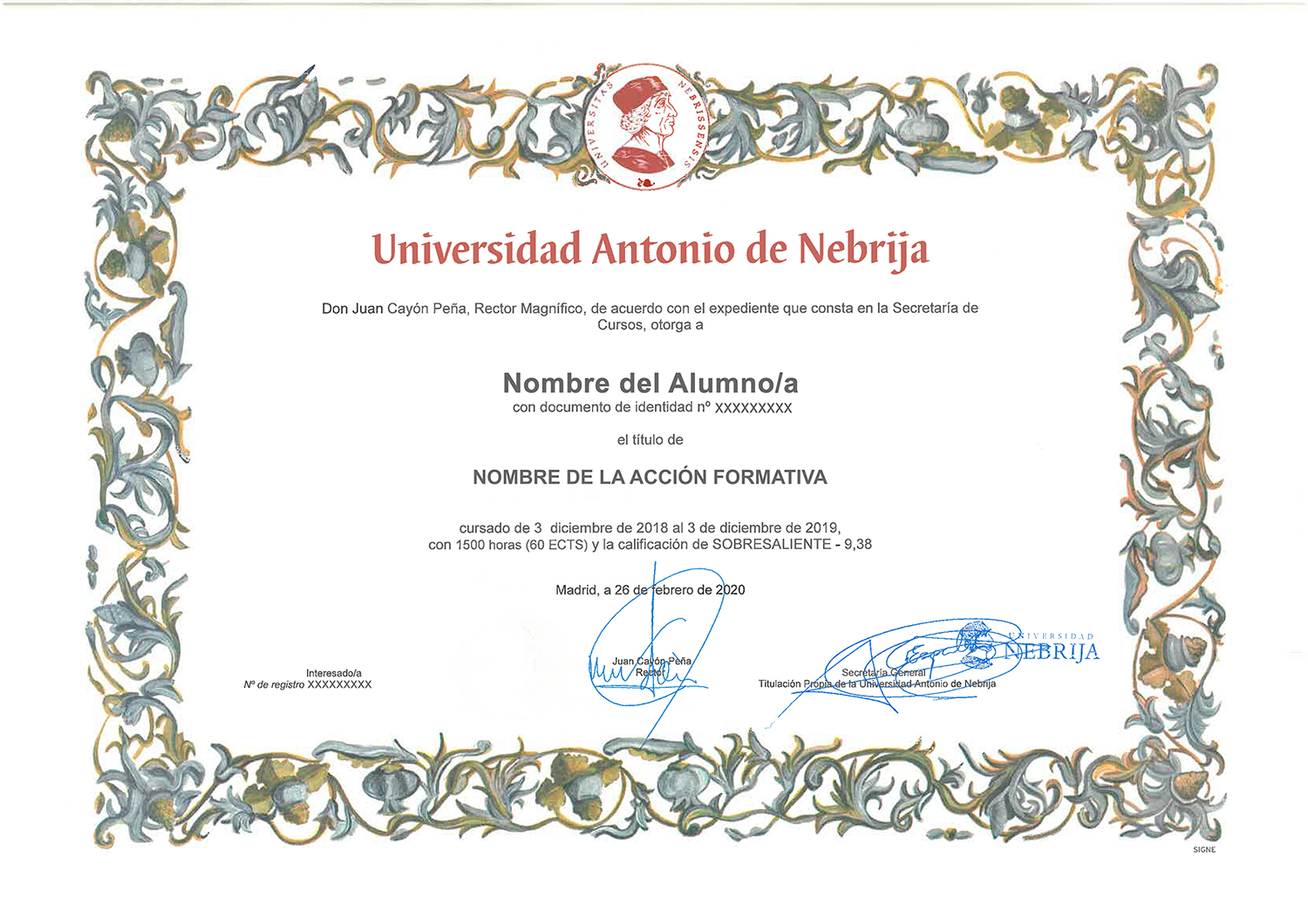
Master in Biology + 60 ECTS Credits

1500 hours

60 ECTS

Spanish
Educational institutions
$2,759
Request information


Online Training
1500 hours
60 ECTS
Spanish
Educational institutions
Request information
Multilingual support
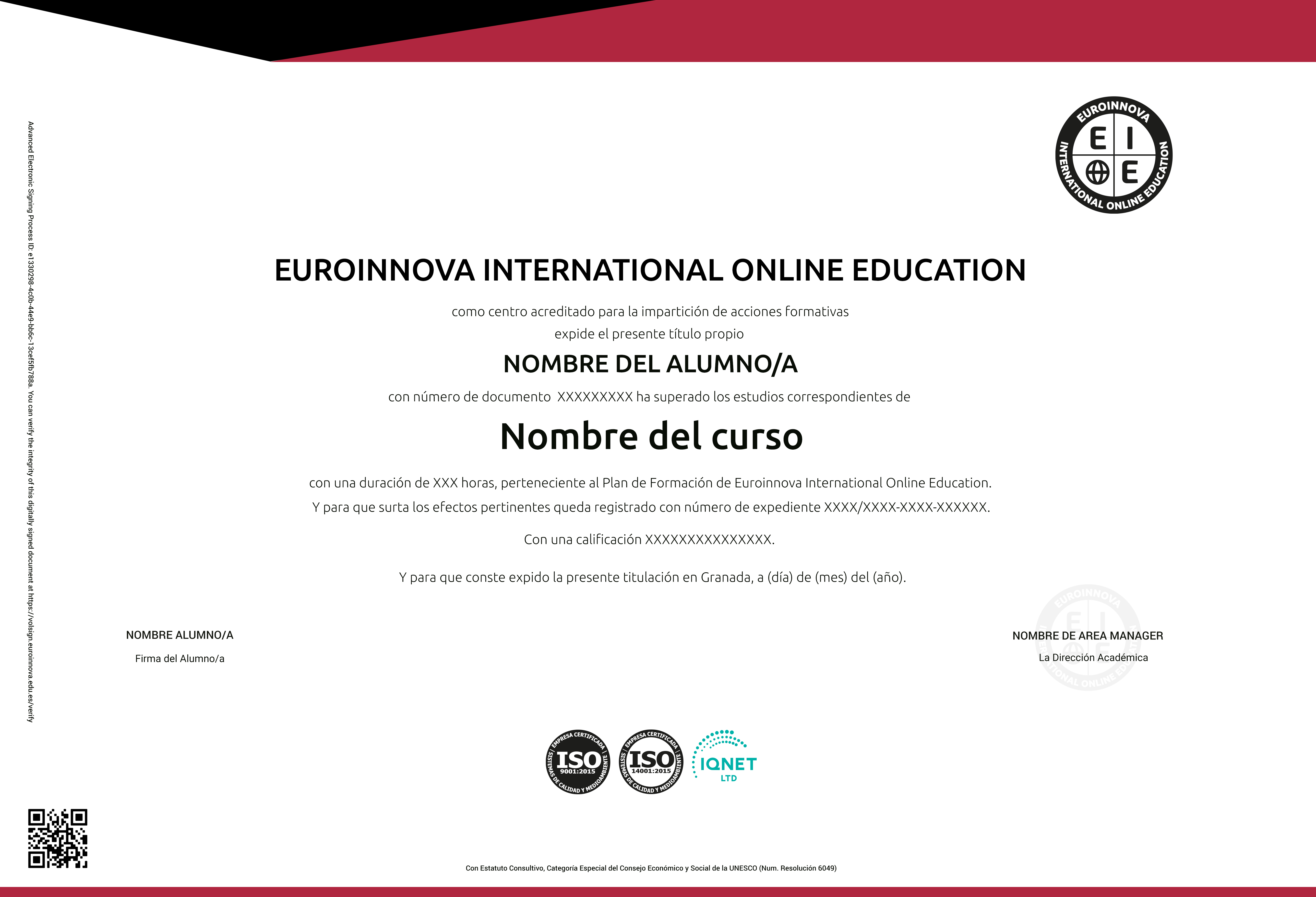
Digital certificate included
Assistant Phia
This university master's degree offers students the possibility of focusing their studies in this field of natural sciences, developing some of the most valued and demanded capabilities and skills in the labor market. To this end, the following objectives are established, among others: - Know the detection and study techniques of the main human pathogenic microorganisms. - Describe the main genera of proteobacteria as well as the different pathologies they cause in humans. - Identify the main types of human pathogenic gram-negative bacteria, taking into account the diseases they cause. - Relate spirochetes and pathogenic eukaryotic microorganisms to the pathologies they cause. - Know antibacterial and antifungal drugs, taking into account their scope of action. - Know the main aspects of zoology and its evolution, as well as the methods of zoological study. - Learn about zoogeography: ecological and historical processes. - Study the evolutionary history of animals. - Study of biochemistry. - Know the different components to treat such as carbohydrates, enzymes, vitamins, etc. - Know the different metabolisms. - Know the general concept of cell. - Describe the characteristics of the plasma membrane. - Learn everything related to the interphase nucleus and chromosomes. - Know the features of ribosomes and the endoplasmic reticulum. - Describe the structure and functions of the Golgi apparatus. - Identify the functions of lysosomes, vacuoles, mitochondria, plastids and peroxisomes. - Describe the features of the cytosol, cytoskeleton, centrioles and derivatives. - Learn the features of the wall and the extracellular matrix. - Study cell signaling as well as the cell cycle and cell death. - Learn the concepts related to infertility and the different studies related to it. - Know the aspects related to the life cycle of the cell, as well as its mechanisms. - Discover the fundamentals of inheritance at the chromosomal level and its main disorders. - Address in depth the morphology and alterations of the erythrocyte system, as well as the different cytothymic techniques. - Study the different serological techniques in the clinical laboratory. - Differentiate the types of biological samples, as well as the handling methods for subsequent analysis. - Appreciate the characteristics of cells in the Immune System, as well as the causes of autoimmunity and diseases. - Deepen the study of Flow Cytometry, as well as its applications in the clinical laboratory. - Identify key aspects in biological sciences. - Distinguish science from other forms of knowledge. - Know the defining characteristics of living matter and the characteristics that give the living being. - Know the types of living beings that inhabit our planet. - Go deeper into the field of ecology, acquiring specialized content for each natural space. - Analyze biodiversity, biogeography and species conservation. - Understand the interaction between species and evaluate cases of invasive species. - Analyze population dynamics variables, estimating parameters and observing survival graphs.
Thanks to the training received throughout this university master's degree, students will be able to develop a professional career in the field of science and more specifically in areas such as: Biology / Cell biology / Laboratories / Biological research.
This Master in Biology prepares you to have a broad and as precise vision as possible about biology in relation to aspects of cell biology, biological samples, biochemistry, etc. With this Master in Biology you will acquire knowledge and techniques to function professionally in this sector. This is a university master's degree aimed at professionals and students in the field of natural sciences who want to receive a degree issued by the university, widely valued in the labor market. If you are looking for the opportunity to complete your studies with a 100% online program, that does not require attending the university in person, this is the opportunity you have been waiting for. Contact us and request detailed information without obligation, and a training advisor will be able to answer all your questions.