Online Training
Course MF1642-2 Itineraries in Speleology

220 hours


Spanish
Educational institutions

320€
Request information


Online Training
220 hours
Spanish
Educational institutions
Request information
Multilingual support
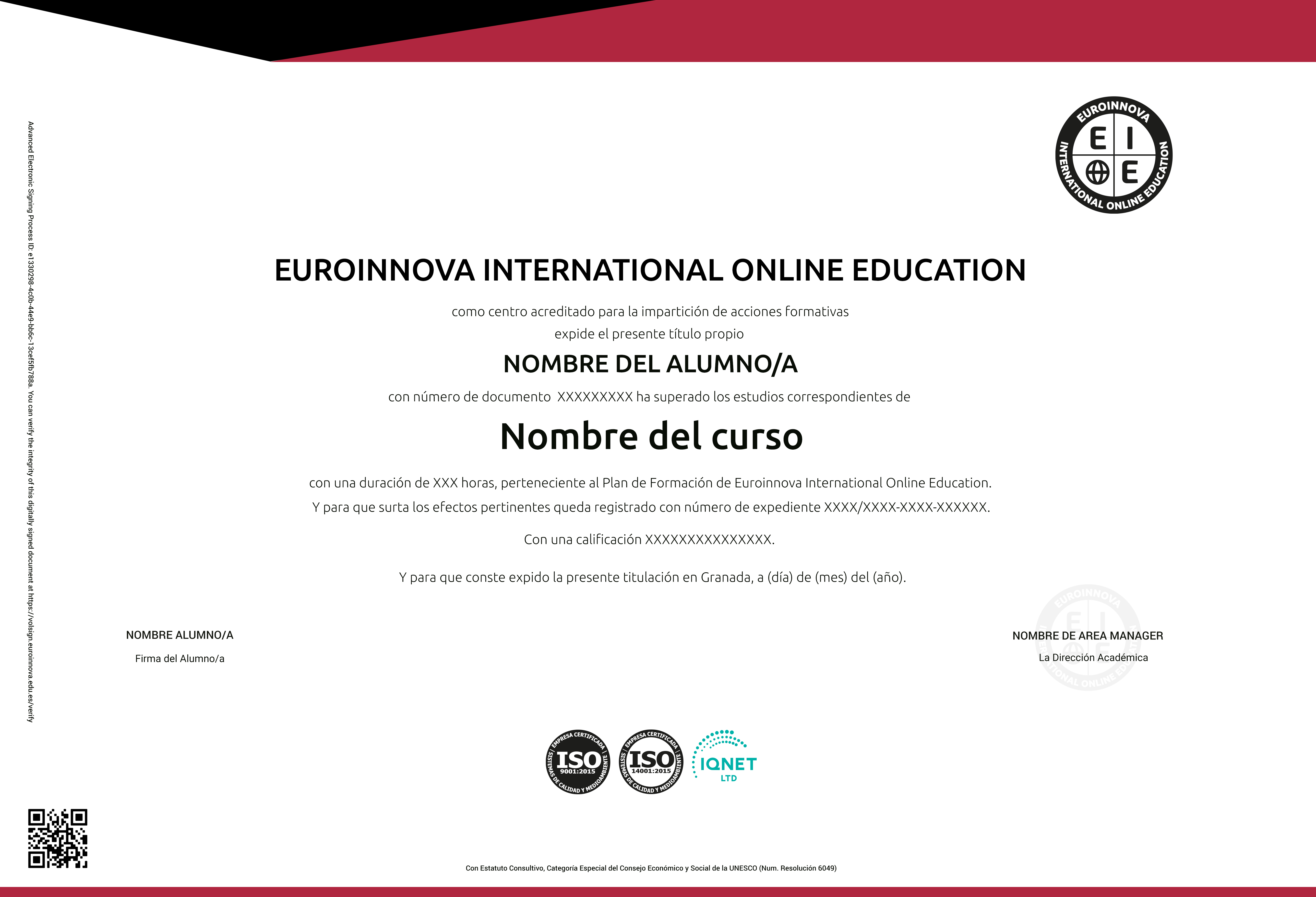
Digital certificate included
Assistant Phia
- Analysis of cartographic resources and sources, both in traditional physical media and in digital media adapted to new technologies, and identifying the characteristics, relief and nature of the terrain represented and recognizing the routes and possibilities of walking, especially in low and medium mountain terrain. - Analyze the topographic, geological and biological characteristics of a given area and identify the degree of vulnerability of its natural environment based on its classification as a protected or unprotected space, to relate the critical aspects of deterioration of said environment with the practice of sports-recreational activities. - Interpret meteorological information to predict climatic conditions and their possible evolution, from sources of information of different natures adapted to new technologies or derived from direct observation of the natural environment, and anticipate adverse situations that may occur by taking the necessary measures to adapt the sports-recreational activity, canceling it if necessary. - Apply orientation techniques in the natural environment of traditional use, specific to new technologies or derived from the interpretation of fortune resources, using, in accordance with the available means and resources, instruments, equipment, cartographic sources and/or natural clues. - Identify the characteristics of the users requesting the service by determining their level of motor ability, their level of physical condition and their interests, motivations and degree of personal autonomy based on their gender and age, in relation to the practice of caving activities in underground cavities of up to class five. - Write information on the geographical space where the driving activity will be carried out in underground cavities of up to class five in relation to its topographic and environmental characteristics, the specific regulations related to the practice of sports-recreational activities that may be applied and its access and movement possibilities according to the characteristics of the activity to be carried out. - Establish the processes and periodicity for the qualitative and quantitative evaluation of the objectives established in the design of a driving activity in underground cavities of up to class five. - Apply evaluation techniques and procedures in caving driving activities to identify the parameters that express the quality and safety of the service, paying special attention to the degree of satisfaction of all participants and establish, based on the information obtained, the correction and adaptation measures for this type of activity in the design of future driving activities in underground cavities of up to class five. - Specify the itinerary to access and return to the cavity for travel on foot through low and medium mountain terrain integrated into an activity program for conducting caving activities in accordance with the objectives and guidelines established in said program. - Prepare, based on the requested caving guide service and the typology and number of requesting users, the activity sheet specifying the cavity itineraries, the difficulties, the needs of materials for progression and safety and the schedules, in order to avoid possible contingencies, adjusting to the guidelines of the activity program. - Establish, based on a caving driving activity program and the design of the corresponding itinerary, the safety protocols for the protection of users, anticipating possible risks and contingencies. - Establish access and environmental preservation protocols and determine prevention measures for the development of a sports-recreational activity program in the natural environment in a specific geographic location. - Apply necessary resource management techniques in the preparation of driving activities in caving.
He develops his professional activity in the sports sector in the field of recreational activities in nature and in active tourism, in the areas of programming, organization, development, monitoring and evaluation of speleological itineraries for all types of users. The professional activity is carried out both independently and under contract, in the public sphere, whether the General State Administration, regional or local administrations, and in the private sphere, with private clients and in large, medium and small companies, such as: Active leisure, sports or adventure companies. Tourism companies: hotels, camping, hostels, rural houses. Travel agencies. Ski resorts with a complementary offer of off-season activities. Mountain refuges and lodges. School centers and extracurricular activity service companies. Colony houses, school farms, camps. Sports federations and sports and social clubs. Guide companies. Natural park management companies.
This training conforms to the training itinerary of the Training Module MF1642_2 itineraries in speleology, certifying having passed the different Units of Competence included in it, and is aimed at the accreditation of the Professional Competencies acquired through work experience and non-formal training, through which you will opt to obtain the corresponding Certificate of Professionalism, through the respective calls published by the different Autonomous Communities, as well as your own. Ministry of Labor (Royal Decree 659/2023, of July 18, which develops the organization of the Vocational Training System and establishes a permanent procedure for the accreditation of professional skills acquired through work experience or non-formal training).