Online Training
MBA + Specialty - Logistics + 60 ECTS Credits

1500 hours

60 ECTS

Spanish
Educational institutions


$3,112
Request information


Online Training
1500 hours
60 ECTS
Spanish
Educational institutions
Request information
Multilingual support
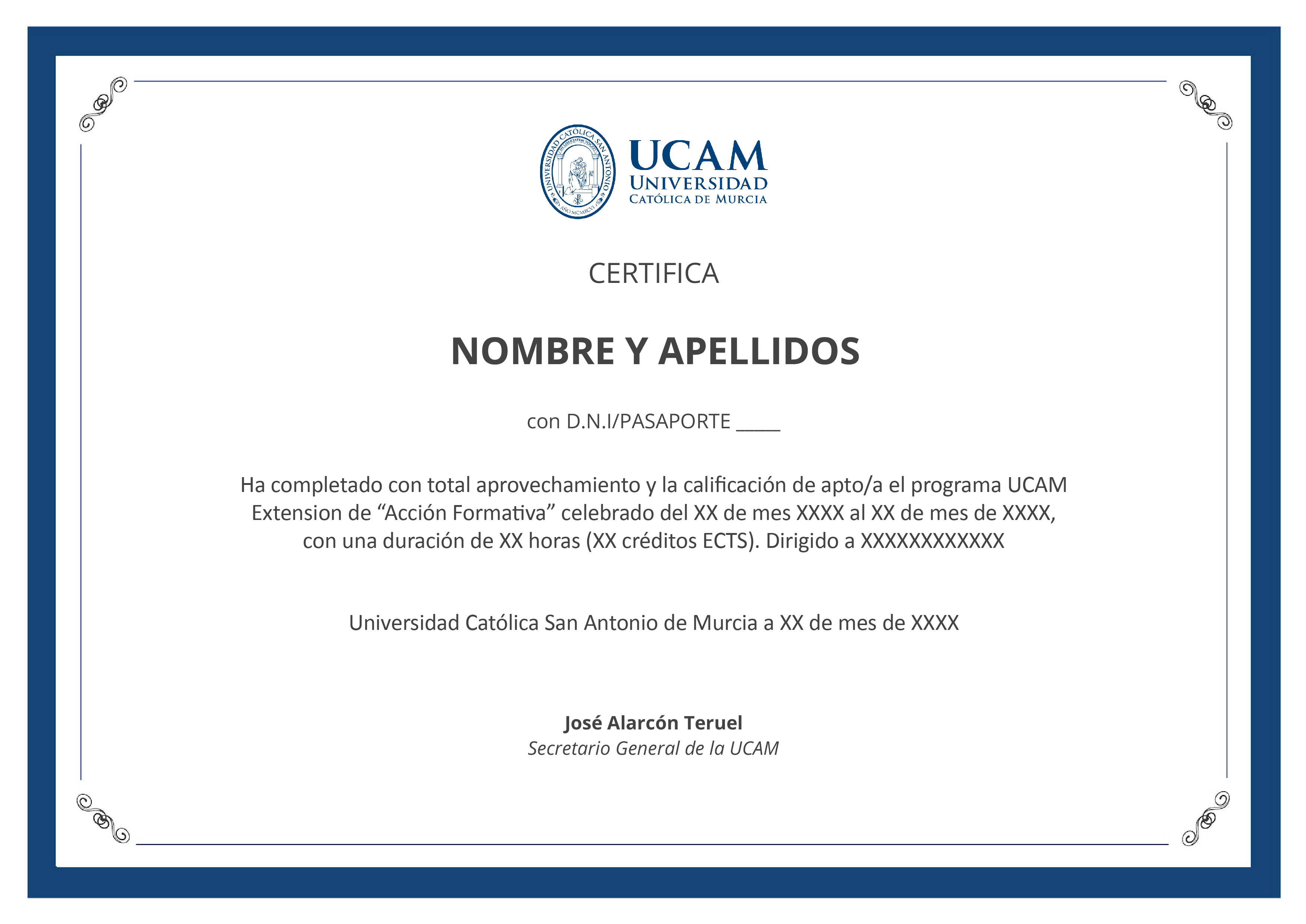
Digital certificate included
Assistant Phia
The MBA program - Business Management and Administration. Logistics Specialty is designed with the purpose that students know in depth the fundamentals of management through the competitive analysis of the environment, to carry out a successful management strategy. It is also intended to train managers in logistics by delving into the knowledge of the tools and systems that make it possible to professionally manage the aspects that make up the supply chain, stock and warehouse management, purchasing, transportation, etc. Likewise, the aim is to deepen the financial, commercial and economic knowledge necessary to carry out analyzes that facilitate decision making with guarantees of success.
1. Manager or business director in organizations in the logistics sector. 2. Head or Director of Production. 3. Director of the Purchasing and Supply Department. 4. Demand or Production Planner. 5. Director of Operations. 6. Distribution and Transportation Technician.
This MBA with a specialty in Logistics prepares students to assume leadership and management roles in the field of logistics and the supply chain. This program combines advanced knowledge in business administration with specific skills in logistics management, providing comprehensive training that ranges from planning to execution and optimization of logistics operations. Skills and knowledge that the student can acquire with this program: 1. Business Management • Leadership Skills: You will develop skills to lead teams, make strategic decisions and manage resources efficiently. • Business Administration: You will learn about the various functional areas of a company, including finance, human resources, operations and marketing. 2. Supply Chain Management • Supply Chain Fundamentals: Understanding the basic principles of supply chain management, including planning, sourcing, production, distribution and product returns. • Supply Chain Strategy: Development of strategies to improve the efficiency and effectiveness of the supply chain, aligning it with business objectives. 3. Logistics and Distribution • Logistics Management: Skills to manage logistics operations, including storage, inventories, transportation and distribution. • Optimization of the Logistics Network: Techniques to design and optimize the logistics network, improving product distribution and reducing costs. 4. Information Technologies in Logistics • Supply Chain Management Systems (SCM): Use of SCM systems to plan and manage the supply chain efficiently. • Emerging Technologies: Application of emerging technologies such as artificial intelligence, blockchain, and big data in logistics and supply chain management. 5. Inventory Management • Inventory Control: Methods for managing and controlling inventories, including reordering techniques, stock levels and reduction of excess inventory. • Inventory Optimization: Strategies to optimize inventories, improving rotation and reducing associated costs. 6. Transportation and Fleet Management • Transportation Management: Knowledge of the different modes of transportation (land, sea, air) and their efficient management. • Fleet Management: Techniques for managing transportation fleets, including route planning, vehicle maintenance and cost optimization. 7. Purchasing and Supply Management • Supplier Management: Skills to select, evaluate and manage suppliers, establishing long-term relationships and ensuring the quality of supplies. • Strategic Purchasing: Development of purchasing strategies and negotiation with suppliers to obtain better conditions and prices. 8. Sustainability and Social Responsibility • Green Logistics: Strategies to implement sustainable practices in logistics, reducing environmental impact and improving corporate social responsibility. • Social Responsibility: Understanding the importance of ethics and social responsibility in supply chain management. 9. Supply Chain Risk Management • Risk Identification: Skills to identify and evaluate risks in the supply chain. • Risk Management and Mitigation: Development of contingency plans and strategies to mitigate risks, ensuring continuity of supply. 10. Professional Development • Network of Contacts: Opportunities to establish a network of professional contacts at a global level, including fellow students, teachers and professionals in the sector. • Practical Experience: Participation in practical projects and internships in companies, acquiring real experience in supply chain management and logistics.