Online Training
Petroleum Industry, Biofuels and Scenario 2050 Course

200 hours


Spanish
Educational institutions

360€
Request information


Online Training
200 hours
Spanish
Educational institutions
Request information
Multilingual support
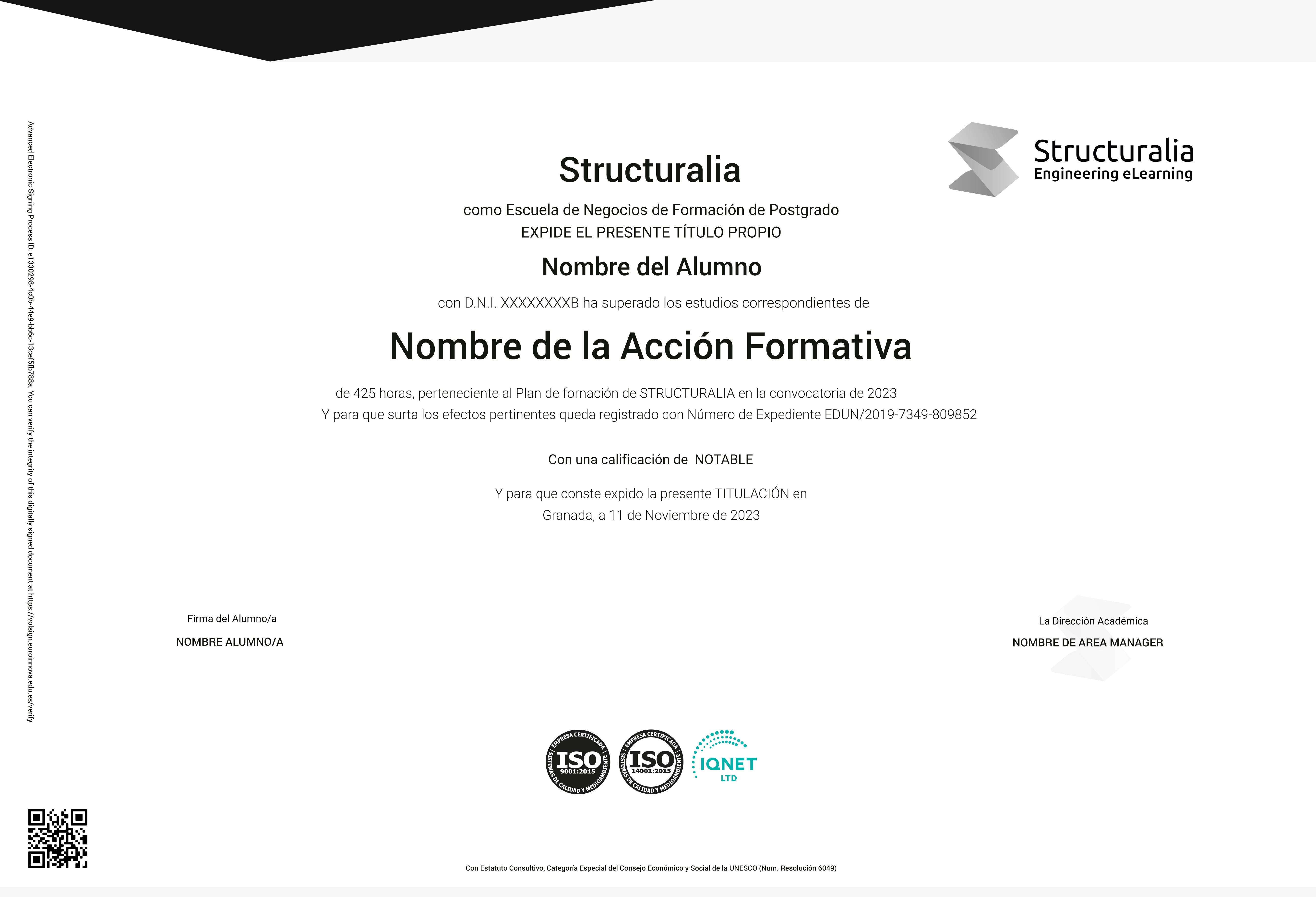
Digital certificate included
Assistant Phia
Once these studies have been successfully carried out, the student will obtain a global visualization of the Petroleum Industry at an international level, will know the most important particularities of Crude Oil, the specific tests that are carried out for its characterization and classification, as well as the Processes and Refining Schemes that determine the configurations used by Refineries to obtain the different Refined Products, focusing the analysis on the fuels currently predominant in the Transportation Sector, such as gasoline, diesel or kerosene. Furthermore, in contrast, Biofuels will be studied as a current and future alternative to fuels derived from Crude Oil, introducing the state of the art of its most used types, processes and technologies. Based on a multitude of examples of Market Reports and references from international organizations, companies, corporations and governments, the student will be able to build a real and cutting-edge image of the Oil and Biofuels Industry, analyzing its trends and growth estimates in the coming decades, always in line with the Global Energy Transition and Decarbonization Process, to reduce/mitigate Greenhouse Gas emissions on the horizon of 2050.
With the course "Petroleum Industry, Biofuels and Scenario 2050", it opens doors to dynamic careers in refineries, design of refining schemes and development of alternative fuels. Master everything from crude oil and processing to biofuels and future projections, placing you at the forefront of a sector in the midst of an energy transition. Prepare your profile to lead sustainable projects and the evolution towards a low-carbon economy.
The course "Petroleum Industry, Biofuels and Scenario 2050" provides a comprehensive understanding of the dynamics and structures of the oil sector. It delves into the nature of crude oil and the refining processes that define the production of fuels, key to current transportation. At the same time, it offers a detailed study of biofuels and their emerging role in the energy transition. By completing the course, you aspire to an informed vision of industry trends and projections, with a view to a more sustainable future.